

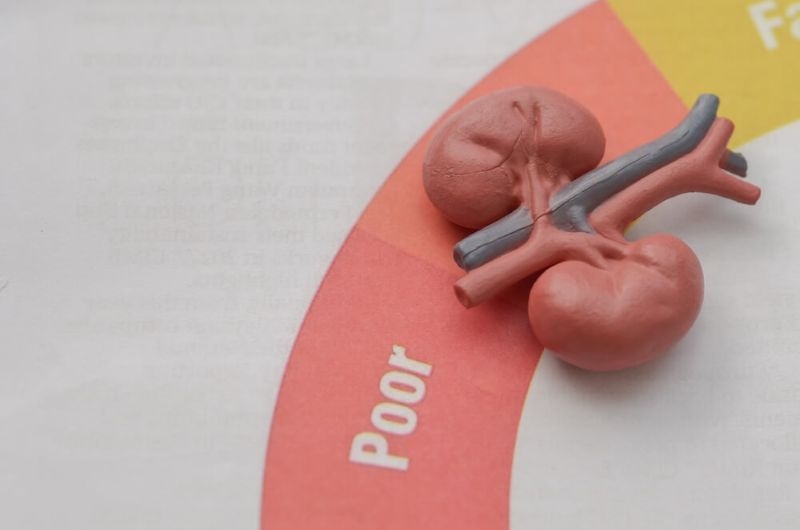
Stage 2 kidney disease often sounds scary, yet many people live well with it for years. Here’s the thing. This stage means the kidneys are still working pretty well, but minor damage has begun. Understanding stage 2 kidney disease early helps protect kidney health in the long term. In the first stages, kidney disease symptoms may feel mild or even absent. Early kidney disease symptoms can hide quietly. Knowing the kidney disease stages, learning the basics of stage 2 CKD treatment, and understanding the stage 2 kidney disease prognosis all matter from the start.
Stage 2 kidney disease care focuses on slowing the progression of damage. Personal habits, medical guidance, and regular checks support better outcomes. What this really means is that action taken early often changes the future in positive ways.
Kidney disease stages help doctors assess how well the kidneys are functioning. These stages guide care and monitoring.
Kidney disease stages range from 1 to 5. Each stage reflects kidney function and the level of damage.
Basic overview
Stage 2 kidney disease sits early in this process. Kidney disease stages help shape treatment plans.
Stage 2 kidney disease means the kidneys filter blood slightly less efficiently. Damage exists, but many functions remain strong.
Important points
Understanding kidney disease stages gives clarity and reduces fear.
Don’t Miss This: Metabolism Tips to Boost Metabolism and Maintain Good Health
Stage 2 kidney disease symptoms are often subtle. Many people feel normal at this stage.
Early kidney disease symptoms vary from person to person. Some signs are easy to overlook.
Possible signs include
Stage 2 kidney disease symptoms can come and go, making them hard to track.
Kidneys compensate well at first. This delays stronger signs.
Here’s the thing. Mild symptoms do not mean mild importance. Early kidney disease symptoms still signal the need for care.
Understanding causes helps guide prevention steps.
Several conditions may lead to stage 2 kidney disease.
Frequent causes
Stage 2 kidney disease often develops slowly over time.
Many factors can cause kidney disease to progress more rapidly from one stage to another.
Examples of these risks are
If these factors are appropriately managed, individuals with stage 2 kidney disease are likely to have a better outcome.
Diagnosing a person’s overall health condition through symptoms alone is not enough. Testing is used to determine the severity of CKD.
Blood and urine tests are used to evaluate kidney function.
Examples of Common Tests
Testing will confirm if it is early-stage chronic kidney disease.
Monitoring provides the opportunity to view progression over time.
Benefits of Monitoring Include:
Regular monitoring is essential throughout all stages of chronic kidney disease.
Stage 2 CKD treatment focuses on protection, not replacement.
Doctors may recommend medications based on individual needs.
Common approaches
Stage 2 CKD treatment plans vary, but goals stay similar.
Lifestyle plays a significant role in the success of stage 2 CKD treatment.
Helpful changes
What this really means is that daily choices shape kidney health.
A Closer Look at This: Disease Prevention Tips to Stay Protected from Major Risks
Food choices affect kidney workload.
Simple nutrition changes support stage 2 kidney disease care.
Helpful habits
Nutrition plans often adjust as kidney disease stages change.
Salt increases pressure on the kidneys.
Tips
These habits support a better prognosis for stage 2 kidney disease.
Being active (moving) supports improved overall circulation and energy levels.
People with stage II chronic kidney disease can remain active despite their condition.
Suggestions for Activities:
Exercise programs should be developed based on your current energy level.
Stress can negatively affect kidney function.
Helpful Strategies
If you have early symptoms of kidney disease, a balanced routine often leads to improvement.
The prognosis for Stage 2 kidney disease is often favorable with care.
Several factors shape outcomes.
Key factors
The prognosis for Stage 2 kidney disease improves with steady management.
Yes, progression often slows significantly.
Many people stay in stage 2 kidney disease for years with proper care.
Prevention focuses on protection.
By making small lifestyle changes, you can help limit the progression of kidney disease.
These behaviors are essential regardless of the stage of your kidney disease.
Understanding kidney disease stages empowers better decisions.
Education helps
Knowledge supports long-term health.
Knowing when to ask for help matters.
Seek care if symptoms change.
Warning signs
Early response supports better outcomes.
Deep Dive Into the Topic: Your Complete Guide to Type 2 Diabetes and How to Manage It
Stage 2 kidney disease often allows a whole life with mindful care. Early kidney disease symptoms, clear stage 2 CKD treatment, and awareness of kidney disease stages guide daily choices. With consistent habits and medical support, the stage 2 kidney disease prognosis stays hopeful and manageable.
Stage 2 kidney disease symptoms may include mild fatigue, slight swelling, and minor changes in urine output, though many feel normal.
Stage 2 CKD treatment focuses on slowing damage through lifestyle and medication, rather than advanced interventions.
Stage 2 kidney disease damage usually cannot be reversed, but progression can often be slowed significantly.
Kidney disease stages guide treatment decisions and monitoring and help predict future care needs.
This content was created by AI